
Mountain-Spun Wonders: Living Craft of Alpine Wool

Today we explore handcrafted wool, spinning, and natural dye traditions of the Alps, traveling from sunlit pastures to creaking workshop floors where twist, color, and patience become clothing and comfort. Meet caretakers of flocks, listen to weathered tools sing, and gather practical guidance for your own making, rooted in respect for land, animals, and enduring mountain knowledge.

Pastures Above the Clouds

High valleys shape more than landscapes; they sculpt fiber character, shepherd rituals, and the steady cadence of work that turns fleece into livelihood. Alpine wind tightens crimp, wild herbs perfume lanolin, and seasonal movement teaches patience. Understanding this living context illuminates why the resulting yarn feels honest, durable, and quietly luminous in the hands.

The Shepherd’s Year

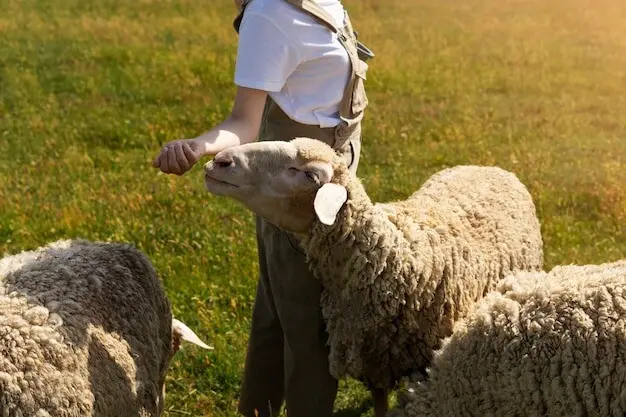
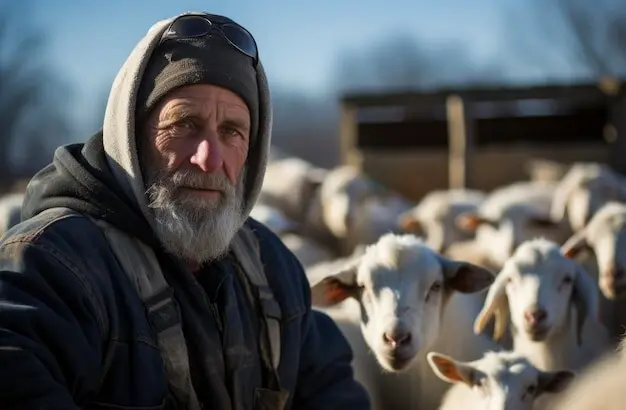
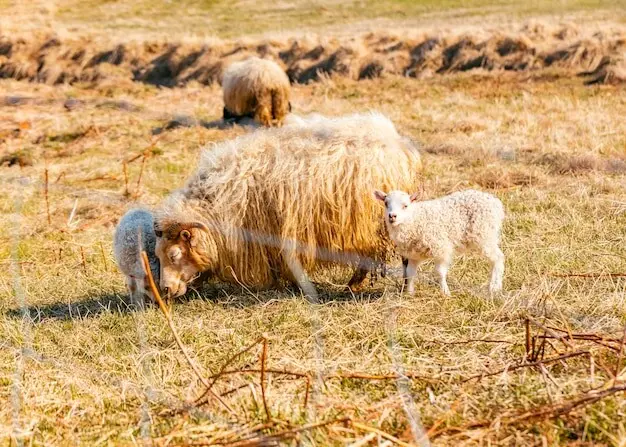
From spring shearing and salt checks to autumn descents under ringing bells, the calendar follows grass and thaw. Transhumance carries flocks upward when snow retreats, then guides them home as stars sharpen. Each stage influences staple length, cleanliness, and resilience, anchoring every later decision in rhythms older than any spinning wheel.

Breeds Shaped by Altitude

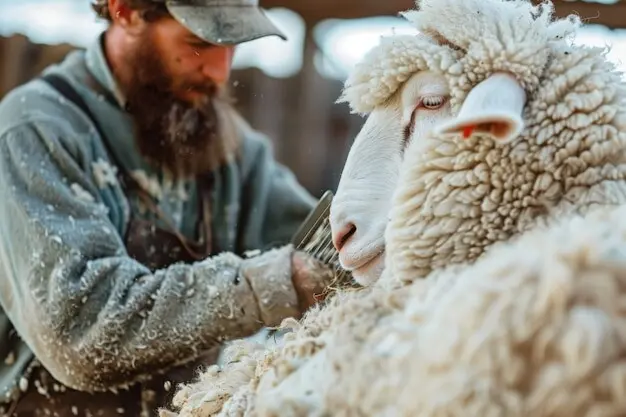
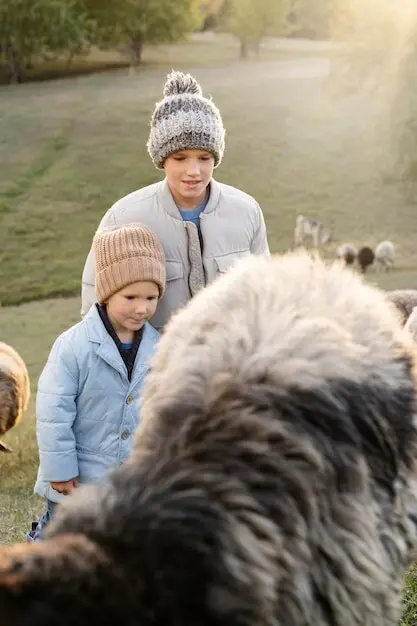
Valais Blacknose sheep charm with faces like inked masks, yet their value lies in sturdy, open fleeces suited to socks, blankets, and felt. Neighboring mountain breeds add luster or bounce. Diet, wind exposure, and shelter determine micron variation, while thoughtful breeding preserves hardiness without sacrificing the generous, workable fibers artisans prize.

A Morning on the Alm

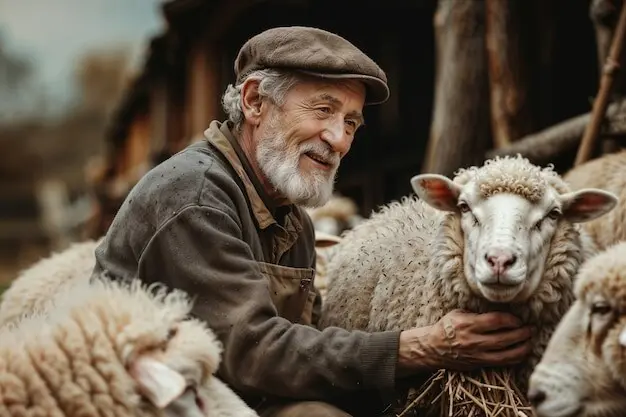
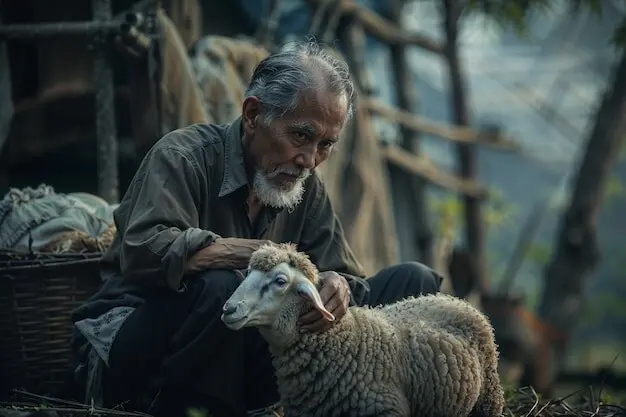
At dawn, steam rose from mugs as a grandmother teased locks beside a doorway silvered by weather. She let me hold the fleece, still warm with lanolin, and said mountains reward gentleness. That single tuft, fragrant and lively, taught patience better than any manual, shaping how I approach every fiber now.

Preparing the Fleece by Hand

Washing by Mountain Water

Historically, fleece was rinsed in cold streams or wooden tubs, allowing grit to fall while leaving a whisper of protective lanolin. Mild soap, patient soaking, and minimal agitation protect structure. Even today, choosing temperature thoughtfully and supporting fibers as they drain prevents felting, conserving bounce for carders, combs, and later, alive-feeling yarn.

Carding Circles and Quiet Rhythm

Two brushes pass like clouds, lifting locks into airy batts that draft easily. In village rooms, elders taught children with humming strokes and stories about blizzards, wolves, and the comfort of wool socks drying near stoves. The rhythm builds muscle memory, steadying breath and encouraging preparation that makes later spinning almost effortless.

Combs, Teasing, and Purposeful Texture

Not every project demands uniform perfection. Combing straightens long fibers for smooth, strong yarns, while teasing and flicking save nuanced lock structure ideal for lace, rustic mittens, or felt. Deciding which texture serves function invites creativity, proving preparation is design, not drudgery, and that subtle decisions echo through every finished stitch.

Turning Twist into Thread

Twist is a promise of cohesion, and learning to feed it with intention separates brittle string from enduring yarn. Whether using a drop spindle on a hillside or a treadled wheel by the hearth, drafting method, twist count, and rhythm together shape structure, softness, and the way fabric wears against time.
The first yards wobble like new steps on snowy paths, yet clarity arrives when fingers feel fibers slip at the drafting triangle. Park-and-draft builds control; supported long draw builds speed. Recording twists-per-inch, staple length, and intention turns practice into knowledge, so future projects start grounded instead of guessed.
A wheel sings if oiled, aligned, and respected. Drive bands, hooks, and bearings prefer quiet maintenance before squeaks demand attention. Spindles deserve smooth shafts and clean notches. These small rituals reduce broken singles, prevent frustration, and keep the maker’s focus on flow, not fixes, nurturing confidence through many seasons of making.
Two or three singles twist back upon themselves like friendly paths crossing. Balanced ply prevents bias in knitted fabric and improves abrasion resistance for socks and outerwear. Sampling, counting, and finishing baths reveal whether energy is neutral or wild, translating mountain vigor into cloth that lasts without stiffness.

Color Gathered from Alpine Slopes

Color arrives from plants, barks, and minerals that share the same horizons as the sheep. Madder, weld, walnut hulls, larch, and lichens yield hues from sunrise gold to riverbank umber. With care for ecosystems and safe mordants, dye pots become respectful conversations with place, patience, and the chemistry of water.

Foraging Respectfully, Dyeing Responsibly

Gather lightly and leave roots undisturbed; never harvest protected lichens or rare flora. Many colors hide in prunings, windfall branches, onion skins, and garden trims. Wear gloves, ventilate spaces, and label jars carefully. Tradition flourishes when safety, stewardship, and gratitude guide each step, ensuring stories continue alongside shimmering yarns and garments.

Minerals, Mordants, and Subtle Shifts

Alum brightens, iron saddens, copper historically greened; modern practice favors safer choices but remembers the past. Even water hardness alters shade, so alpine springs can change results between villages. Swatch generously, record temperatures, and test modifiers, letting careful curiosity turn accident into recipe while protecting hands, lungs, and the streams we admire.
Notebooks, Recipes, and Repeatable Color

What begins as joyful surprise becomes reliable practice only through notes: plant weight, fiber weight, pH, time, and afterbaths. Sketches capture hue under different light; yarn wraps preserve samples. Over seasons, pages bloom into maps of color, guiding future projects and preserving insights that might otherwise wander off like mist.

Cloth that Carries Weather and Memory

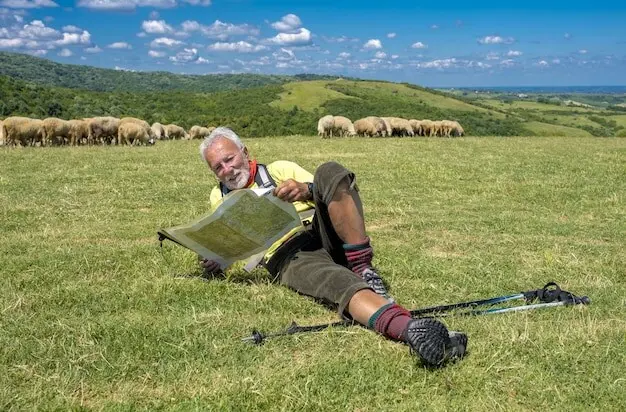
Alpine wool becomes garments that shoulder storms and celebrations alike. Fulled loden sheds sleet on forest paths; knitted stockings warm ankles by tiled stoves; dense felt slippers whisper across kitchen boards. Construction choices reflect purpose and place, blending endurance with comfort so everyday life feels sturdier, kinder, and beautifully practical.

Keeping Traditions Alive Today

Craft survives when it welcomes new voices without abandoning roots. Across the Alps, cooperatives, school programs, and studios connect flocks to markets, encouraging fair prices and traceable supply. Makers pair time-tested methods with contemporary design, proving heritage is not museum-still but breathes, adapts, and supports families while respecting animals and landscapes.

Your First Steps from Home

Beginning need not be expensive or intimidating. With a handful of simple tools, a small bundle of clean wool, and curiosity, you can taste mountain craft wherever you live. Start slowly, record each attempt, and celebrate small progress; skill gathers like snowflakes, quietly accumulating into confidence and weather-ready clothing.

Sourcing Fleece and Simple Tools

Look for local farms or fiber markets that offer skirted, minimally processed wool and honest descriptions. A drop spindle, hand cards, and a sturdy bowl begin the journey. Choose forgiving medium-staple fibers, avoid harsh detergents, and give yourself months rather than days, trusting repetition to teach more than perfectionism ever could.

Spindle Basics: Park, Draft, Breathe

Sit comfortably, spin the spindle, then park it on your lap to draft slowly until your fingers feel the twist climbing. Release, let twist travel, wind on, and repeat. Breathe with the motion, accept wobbles, and notice consistency emerging like distant peaks clarifying as clouds drift apart.
Kiradavodaxikento
Privacy Overview

This website uses cookies so that we can provide you with the best user experience possible. Cookie information is stored in your browser and performs functions such as recognising you when you return to our website and helping our team to understand which sections of the website you find most interesting and useful.