From Snowmelt to First Frost: A Year of Alpine Homesteading

Today we explore Seasonal Homesteading Practices in Alpine Valleys, following the turning of the year from the rush of snowmelt to the hush of winter drift. You’ll find field-tested methods, cheerful failures, and resilient habits shaped by altitude, steep slopes, fickle winds, and tight-knit communities, with practical steps you can apply immediately and stories that invite you to share your own experiences.

Spring: Waking the Steep Garden Beds

When the ridgelines blush with dawn and the last crust of snow thins, work begins on terraces that have slept under ice. Spring here means learning to read the slow thaw, easing compacted paths, coaxing life from thin soils, and celebrating every brave sprout that dares the mountain nights.

Moving with the herd on high ground

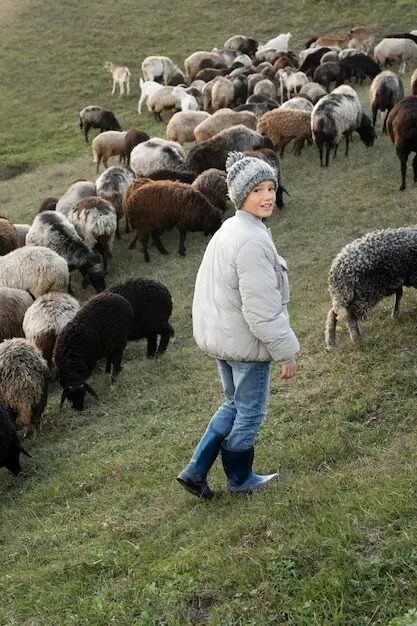
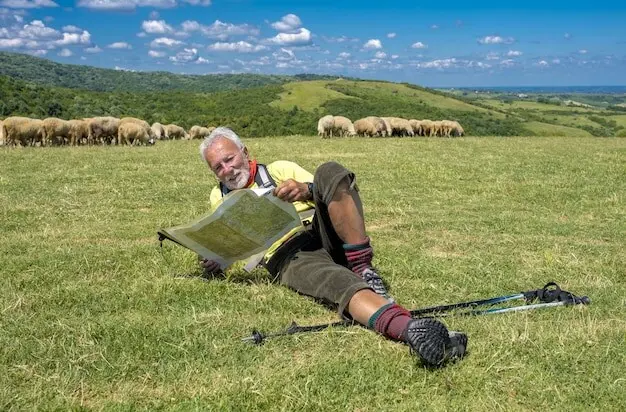
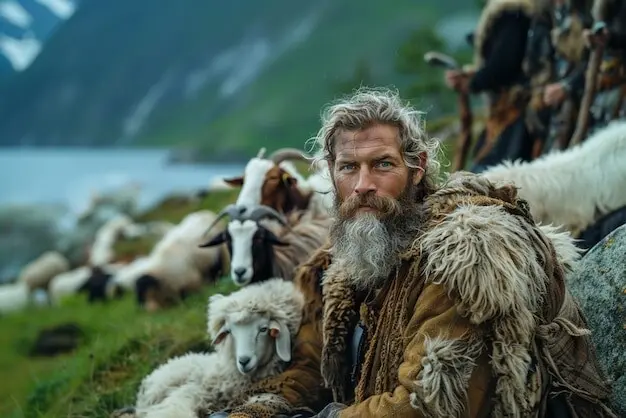
Transhumance is choreography between family, animals, and weather; we climb at first full grass, rotate paddocks carefully, and sleep light when thunder crouches on the ridge. Morning milk steams in cool air, curds set patiently, and the alpage echoes with quiet work instead of hurried words or wasted steps.

Guiding snowmelt to thirsty beds

Irrigation begins with respect: we clear screens, pace slopes for erosion risks, and share water by long-held agreements. Channels braid through terraces, trickling on root zones, not paths. Afternoon inspections prevent washouts, and evening shutoff saves head for neighbors, because tomorrow’s melt belongs to more than ourselves alone.

Autumn: Preservation, Root Cellars, and Hearth Readiness

Autumn smells of apples, smoke, and damp stone. The pantry brightens with jars; cheeses sleep in cool corners; root vegetables settle into their clay beds. We count wood stacks, hang herbs upside down, and greet the first frost with steady hands, grateful for the careful lists that quietly guided us.

Winter: Heat, Snow, Safety, and Quiet Work

Winter closes the altitude around us, turning sound into felted wool. We lean into routine—feed, water, fire, paths—and keep curiosity alive with mending, reading, and broth simmering low. Safety matters: avalanche bulletins, charged headlamps, and neighbors on speed dial, ready to answer slow rings through mittened hands.

Water, Sun, and Wind: Reading Mountain Microclimates

Alpine valleys splice climates into pockets. One bed wakes a week early by a stone wall; another sleeps under a stubborn shade tongue. We learn slopes like neighbors, track wind corridors, and plant accordingly, turning limited space into layered opportunity through observation, patient experiments, and notes scribbled with cold fingers.

Livestock on the Slope: Goats, Cows, Chickens, and Bees

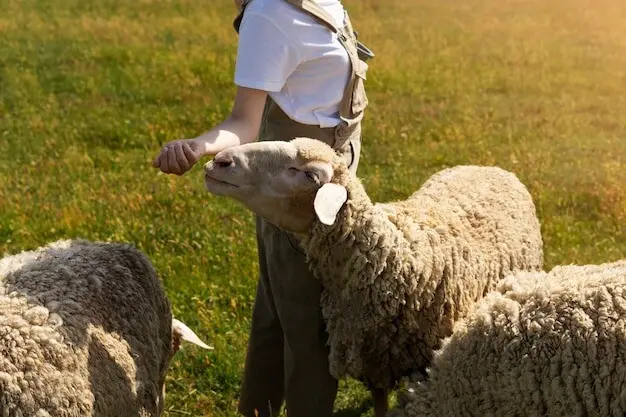
Goats and sheep that dance with the hillside

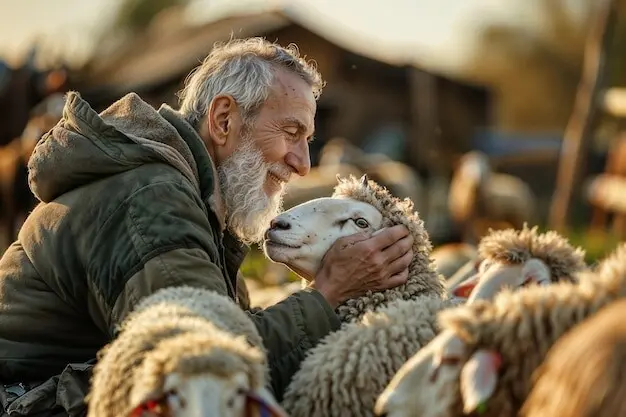
Nimble hooves browse where mowers sulk. We rotate paddocks, set light, movable netting, and tie mineral needs to local deficits revealed by soil tests. Hoof trims align with rocky miles, guardian dogs watch the horizon, and twilight check-ins catch mischief before it invents a moonlit disappearing act across scree.

Milking traditions and calm barns for sturdy cows

Brown Swiss and Simmental carry mountain wisdom in their frames. Milking thrives on ritual—clean hands, warm cloths, quiet stalls, and fresh hay within reach. Stanchions fit comfortably, hooves stay dry, and paths stay sanded. From this civility comes milk that sets beautifully, rewarding steadiness over hurry every single morning.

Chickens and bees at altitude, thoughtfully managed

Cold-hardy hens like Australorp or Wyandotte handle drafts if coops vent high and seal low. Bees, often Carniolan, winter compactly; windbreaks, late-afternoon sun, and tight entrances help. We leave more honey than pride suggests, because living colonies teach humility better than perfect harvest numbers ever could.

Tools, Community, and Resilience: Stories from the Ridges

Neighbors compare cloud shapes and gasket sizes with equal enthusiasm. Shared presses, hay days, and storm checks keep the valley woven. We learn by watching hands older than maps, then pass skills forward, inviting newcomers to ask questions, swap seeds, and make this alpine year a conversation we all continue.
Kiradavodaxikento
Privacy Overview

This website uses cookies so that we can provide you with the best user experience possible. Cookie information is stored in your browser and performs functions such as recognising you when you return to our website and helping our team to understand which sections of the website you find most interesting and useful.